
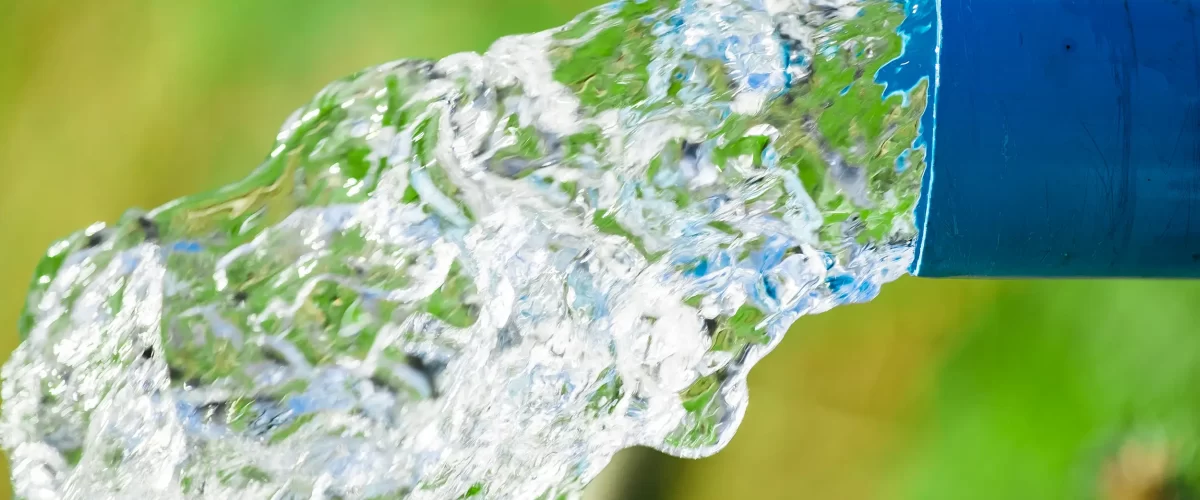
Pumping stations play a vital role in wastewater and drainage systems. They move water from lower to higher levels, allowing sewage and stormwater to travel through pipe networks when gravity alone is not sufficient.
When a pumping station fails, the consequences can be serious. Flooding, unpleasant odours and service disruptions can occur quickly, particularly in commercial or residential developments. Understanding the most common causes of failure can help property owners prevent problems before they arise.
One of the most frequent causes of pumping station failure is a lack of maintenance. Over time, pumps, valves and electrical components naturally wear down. Without regular inspection and servicing, small issues can quickly develop into major mechanical failures.
Blockages are another common problem. Items such as wipes, sanitary products and other debris can become trapped within the system, obstructing pumps and pipework. Even products labelled as flushable can cause issues within wastewater systems.
Electrical faults can also disrupt the operation of pumping stations. Control panels, float switches and alarm systems are responsible for regulating pump activity. If these components fail, pumps may not activate when required, leading to overflow or system shutdown.
Mechanical wear is another factor to consider. Pump impellers, seals and bearings operate constantly in challenging conditions. Over time, these components can degrade, reducing pump efficiency and eventually leading to failure if not replaced.
In some cases, poor installation or incorrect equipment selection can contribute to ongoing issues. A pump that is undersized or not suited to the site conditions may struggle to cope with the volume of wastewater it is required to handle.
Regular servicing is one of the most effective ways to prevent pumping station problems. Maintenance visits allow engineers to inspect equipment, clean components, test alarms and identify early signs of wear.
During a service visit, engineers may check float switches, inspect pumps and pipework, verify electrical controls and ensure that all safety systems are functioning correctly. Identifying issues early allows repairs to be carried out before the system fails completely.
By maintaining your pumping station properly, you can reduce the likelihood of unexpected breakdowns, protect your property and ensure wastewater continues to flow safely through the system.


